



CYMEVENE 500 mg Powder

Prescription review online
A doctor will review your case and decide whether a prescription is medically appropriate.

Talk to a doctor about this medicine
Discuss your symptoms and possible next steps in a quick online consultation.



How to use Cimevene
Contents of the leaflet
- Leaflet accompanying the packaging: information for the user
- Warning! The leaflet should be kept. Information on the immediate packaging in a foreign language.
- Cymevene
- 500 mg, powder for concentrate for solution for infusion
- What is Cymevene and what is it used for
- Important information before taking Cymevene
- How to take Cymevene
- Possible side effects
- How to store Cymevene
- Contents of the packaging and other information
- What Cymevene contains
- What Cymevene looks like and what the pack contains
- Marketing authorization holder in the Czech Republic, the country of export:
- Manufacturer:
- Parallel importer:
- Repackaged by:
- Parallel import authorization number: 59/14
- This medicine is authorized in the Member States of the European Economic Area under the following names:
- Date of leaflet approval: 02.02.2024
- The following information is intended for healthcare professionals only.
- Handle Cymevene with care.
Leaflet accompanying the packaging: information for the user
Warning! The leaflet should be kept. Information on the immediate packaging in a foreign language.

Not sure if this medicine is right for you?
Discuss your symptoms and treatment with a doctor online.
Cymevene
500 mg, powder for concentrate for solution for infusion
Ganciclovir
Before taking the medicine, you should carefully read the contents of the leaflet, as it contains important information for the patient.
- The leaflet should be kept so that it can be read again if necessary.
- In case of any doubts, you should consult a doctor, pharmacist, or nurse.
- This medicine has been prescribed specifically for one person. It should not be given to others. The medicine may harm another person, even if the symptoms of their illness are the same.
- If the patient experiences any side effects, including any side effects not listed in this leaflet, they should inform their doctor, pharmacist, or nurse. See section 4.
Table of contents of the leaflet
- 1. What is Cymevene and what is it used for
- 2. Important information before taking Cymevene
- 3. How to take Cymevene
- 4. Possible side effects
- 5. How to store Cymevene
- 6. Contents of the packaging and other information

Started taking the medicine and have questions?
Discuss your symptoms and treatment with a doctor online.
1. What is Cymevene and what is it used for
What is Cymevene
The active substance of Cymevene is ganciclovir. It belongs to a group of antiviral medicines.
What is Cymevene used for
Cymevene is used to treat diseases caused by cytomegalovirus (CMV) in adult patients and adolescents aged 12 years and older with impaired immune system function. The medicine is also used to prevent CMV infections after organ transplantation or during chemotherapy in adults and children from birth.
- CMV infection can affect any part of the body, including the retina of the eye - this means that the virus can cause vision problems.
- The virus can cause disease in anyone, but it is a particular problem for people with weakened immune systems. In people with weakened immune systems, CMV can cause serious diseases. Weakened immune system can be caused by other diseases (e.g., AIDS) or medications (e.g., chemotherapy or immunosuppressive drugs).
2. Important information before taking Cymevene
When not to take Cymevene:
- if the patient has been found to be hypersensitive to ganciclovir, valganciclovir, or any of the other ingredients of this medicine (listed in section 6),
- during breastfeeding (see subsection "Breastfeeding"). Cymevene should not be taken if the patient is in any of the above situations. In case of doubts before taking Cymevene, the patient should consult a doctor, pharmacist, or nurse.
Warnings and precautions
Before starting treatment with Cymevene, the patient should discuss it with their doctor, pharmacist, or nurse if:
- the patient has been found to be hypersensitive to acyclovir, valacyclovir, penciclovir, or famciclovir - medicines used to treat viral infections;
- the patient has a low number of white blood cells, red blood cells, or platelets - before starting treatment and during treatment, the doctor will perform blood tests;
- the patient has had problems with blood cell count due to taking medicines in the past;
- the patient has kidney function disorders - it will be necessary to reduce the dose of the medicine and more frequently monitor the blood cell count during treatment;
- the patient is undergoing radiation therapy. If any of the above points apply to the patient (or in case of doubts), before taking Cymevene, they should consult a doctor, pharmacist, or nurse.
Pay attention to side effects
Cymevene can cause certain serious side effects, which should be reported to the doctor immediately. The patient should pay attention to serious side effects listed in section 4 and inform their doctor if they experience any of these side effects while taking Cymevene - the doctor may recommend stopping Cymevene and the patient may require urgent treatment.
Lab tests
While taking Cymevene, the doctor will perform regular blood tests. This is to check if the dose of the medicine is suitable for the patient. During the first 2 weeks, blood tests will be performed frequently. Then, blood tests will be performed less frequently.
Children and adolescents
There is limited information on the safety and efficacy of Cymevene in the treatment of CMV disease in children under 12 years of age. Newborns and infants receiving Cymevene for the prevention of CMV disease will undergo regular blood tests.
Cymevene and other medicines
The patient should tell their doctor or pharmacist about all medicines they are currently taking or have recently taken, as well as any medicines they plan to take.
In particular, the patient should inform their doctor or pharmacist if they are taking any of the following medicines:
- imipenem with cilastatin - used to treat bacterial infections;
- pentamidine - used to treat parasitic infections or lung infections;
- flucytosine, amphotericin B - used to treat fungal infections;
- trimethoprim, trimethoprim and sulfamethoxazole, dapsone - used to treat bacterial infections;
- probenecid - used to treat gout;
- mycophenolate mofetil, cyclosporine, tacrolimus - used after organ transplantation;
- vincristine, vinblastine, doxorubicin - used to treat cancer;
- hydroxyurea - used to treat excessive red blood cell count (polycythemia), sickle cell anemia, and cancer;
- didanosine, stavudine, zidovudine, tenofovir, or other medicines used to treat HIV infection;
- adefovir or other medicines used to treat hepatitis B. If any of the above points apply to the patient (or in case of doubts), before taking Cymevene, they should consult a doctor or pharmacist.
Pregnancy, breastfeeding, and fertility
Pregnancy
Pregnant women should not take Cymevene unless the therapeutic benefits to the mother outweigh the potential risks to the unborn child.
If the patient is pregnant or thinks they may be pregnant, they should not take this medicine unless their doctor recommends it. Cymevene may harm the unborn child.
Contraception
Women should not become pregnant while taking this medicine. The medicine may harm the unborn child.
Women
Women of childbearing age should use contraception while taking Cymevene. Contraception should also be used for at least 30 days after stopping Cymevene.
Men
Men whose partners may become pregnant should use mechanical contraception (e.g., condoms) while taking Cymevene. Mechanical contraception should also be used for at least 90 days after stopping Cymevene.
If the patient's partner becomes pregnant while taking Cymevene, they should contact their doctor immediately.
Breastfeeding
Breastfeeding women should not take Cymevene. Breastfeeding should be stopped if the doctor decides that it is necessary to start taking Cymevene. Cymevene may pass into breast milk.
Fertility
Cymevene may have a harmful effect on fertility. Cymevene may cause temporary or permanent inhibition of sperm production. Patients planning to have children should discuss this with their doctor or pharmacist before starting Cymevene.
Driving and using machines
During treatment with Cymevene, drowsiness, dizziness, confusion, or tremors may occur. Patients who experience these symptoms should avoid driving vehicles and operating machines.
Cymevene contains sodium
Cymevene contains 43 mg of sodium (the main component of common salt) in a 500 mg vial. This corresponds to 2% of the maximum recommended daily intake of sodium in the diet for adults.
3. How to take Cymevene
This medicine should always be taken according to the doctor's or pharmacist's recommendations. In case of doubts, the patient should consult a doctor or pharmacist.
How to take the medicine
Cymevene is administered by a doctor or nurse. The medicine is administered through a tube inserted into a vein. This method of administration is called "intravenous infusion" and usually takes one hour.
The dose of Cymevene varies depending on the patient. The doctor will determine the size of the dose.
The dose of the medicine depends on:
- the patient's body weight (in children, their height may also be taken into account),
- age,
- kidney function,
- blood morphology,
- the indication for which the medicine is used.
The frequency of taking Cymevene and the duration of treatment will also vary.
- Treatment usually starts with one or two infusions per day.
- If two infusions are taken per day, the duration of treatment will be up to 21 days.
- Then, the doctor may prescribe one infusion per day.
Patients with kidney function disorders or blood disorders
If the patient has kidney function disorders or blood disorders, the doctor may recommend a lower dose of Cymevene and more frequent monitoring of the blood cell count during treatment.
Using a higher dose of Cymevene than recommended
In case of suspected overdose of Cymevene, the patient should contact their doctor or go to the hospital immediately. If a higher dose of the medicine is used, the following symptoms may occur:
- abdominal pain, diarrhea, or vomiting,
- tremors or seizures,
- blood in the urine,
- kidney or liver function disorders,
- changes in blood morphology.
Stopping Cymevene
The patient should not stop taking Cymevene without consulting their doctor first.
In case of any further doubts about taking this medicine, the patient should consult a doctor, pharmacist, or nurse.
4. Possible side effects
Like all medicines, Cymevene can cause side effects, although not everybody gets them.
The following side effects may occur while taking this medicine:
Severe side effects
The patient should contact their doctor immediately if they experience any of the following severe side effects - the doctor may recommend stopping Cymevene and the patient may require urgent treatment:
Very common:may occur in more than 1 in 10 patients
- low white blood cell count - with symptoms of infection, such as sore throat, mouth ulcers, or fever,
- low red blood cell count - symptoms include shortness of breath, fatigue, palpitations, or pale skin.
Common:may occur in up to 1 in 10 patients
- blood infection (sepsis) - symptoms include fever, chills, palpitations, confusion, and slurred speech,
- low platelet count - symptoms include bleeding or bruising more easily than usual, blood in the urine or stool, or bleeding from the gums, which can be severe,
- very low blood cell count,
- pancreatitis - symptoms include severe abdominal pain radiating to the back,
- seizures.
Uncommon:may occur in up to 1 in 100 patients
- bone marrow failure,
- hallucinations - seeing or hearing things that are not there,
- thought and perception disorders, loss of contact with reality,
- kidney function disorders.
Rare:may occur in up to 1 in 1000 patients
- severe allergic reaction - symptoms may include redness, itching, swelling of the throat, face, lips, or mouth, difficulty swallowing or breathing.
The patient should inform their doctor immediately if they experience any of the above side effects.
Other side effects
The patient should inform their doctor, pharmacist, or nurse if they experience any of the following side effects:
Very common:may occur in more than 1 in 10 patients
- thrush or oral thrush
- upper respiratory tract infection (e.g., sinusitis, tonsillitis)
- loss of appetite
- headache
- cough
- shortness of breath
- diarrhea
- nausea or vomiting
- abdominal pain
- rash
- fatigue
- fever.
Common:may occur in up to 1 in 10 patients
- flu
- urinary tract infection - symptoms include fever, frequent urination, pain while urinating
- skin and subcutaneous tissue infection
- mild allergic reaction - symptoms may include redness, itching of the skin
- weight loss
- feeling depressed, anxious, or confused
- difficulty sleeping
- feeling weak or numb in the hands or feet, which can lead to balance disorders
- disorders of touch, tingling, itching, burning, or stinging
- taste changes
- chills
- eye inflammation (conjunctivitis), eye pain, and vision problems
- ear pain
- low blood pressure, which can cause dizziness or fainting
- swallowing difficulties
- constipation, gas, indigestion, stomach pain, abdominal bloating
- mouth ulcers
- abnormal liver and kidney test results
- night sweats
- itching, rash
- hair loss
- back pain, muscle or joint pain, muscle cramps
- feeling dizzy, weak, or unwell
- skin reaction at the injection site - e.g., inflammation, pain, and swelling.
Uncommon:may occur in up to 1 in 100 patients
- feeling agitated
- tremors, shakiness
- deafness
- irregular heartbeat
- hives, dry skin
- blood in the urine
- male infertility - see section "Fertility"
- chest pain.
Side effects in children and adolescents
Low blood cell count is more likely to occur in children, especially newborns and infants.
Reporting side effects
If side effects occur, including any side effects not listed in this leaflet, the patient should inform their doctor, pharmacist, or nurse. Side effects can be reported directly to the Department of Monitoring of Adverse Reactions to Medicinal Products of the Office for Registration of Medicinal Products, Medical Devices, and Biocidal Products
Al. Jerozolimskie 181C
02-222 Warsaw
phone: +48 (22) 49 21 301
fax: +48 (22) 49 21 309
website: https://smz.ezdrowie.gov.pl
Reporting side effects will help gather more information on the safety of the medicine.
5. How to store Cymevene
The medicine should be stored out of sight and reach of children.
Powder: no special storage precautions.
Do not use this medicine after the expiry date stated on the packaging. The expiry date refers to the last day of the month.
After preparation:
- It has been shown that the chemical and physical stability of the prepared solution is maintained for 12 hours at 25°C after dissolution in water for injection.
- Do not store in the refrigerator or freeze.
- From a microbiological point of view, the prepared solution should be used immediately. If the medicine is not used immediately, the user is responsible for the storage period and conditions before use.
- After dilution in infusion solutions (0.9% sodium chloride solution, 5% glucose solution, Ringer's solution, or Ringer's solution with lactate):
- It has been shown that the chemical and physical stability of the solution is maintained for 24 hours at a temperature of 2°C to 8°C (do not freeze).
- From a microbiological point of view, the prepared infusion solution of Cymevene should be used immediately. If it is not used immediately, the determination of the storage time and conditions of the prepared solution before use is the responsibility of the person administering the medicine and cannot be longer than 24 hours at a temperature of 2-8°C, unless the solution has been prepared and diluted in controlled, validated aseptic conditions.
Medicines should not be disposed of via wastewater or household waste. The patient should ask their pharmacist how to dispose of medicines that are no longer needed. This will help protect the environment.
6. Contents of the packaging and other information
What Cymevene contains
- The active substance of Cymevene is ganciclovir. Each glass vial contains 500 mg of ganciclovir (as ganciclovir sodium). After reconstitution of the powder, 1 ml of the solution contains 50 mg of ganciclovir.
- The other ingredients are sodium hydroxide and hydrochloric acid.
What Cymevene looks like and what the pack contains
Cymevene is a white or off-white powder for concentrate for solution for infusion, available in a 10 ml glass vial containing one dose, closed with a flip-off cap made of laminated/siliconized rubber and an aluminum cap, in a cardboard box.
The prepared solution of Cymevene has a color from colorless to light yellow.
The vials of Cymevene are available in packs containing 1 vial.
For more detailed information, the patient should contact the marketing authorization holder or the parallel importer.
Marketing authorization holder in the Czech Republic, the country of export:
CHEPLAPHARM Arzneimittel GmbH
Ziegelhof 24
17489 Greifswald
Germany
Manufacturer:
CHEPLAPHARM Arzneimittel GmbH
Ziegelhof 23-24
17489 Greifswald
Germany
Parallel importer:
Delfarma Sp. z o.o.
ul. Św. Teresy od Dzieciątka Jezus 111
91-222 Łódź
Repackaged by:
Delfarma Sp. z o.o.
ul. Św. Teresy od Dzieciątka Jezus 111
91-222 Łódź
Marketing authorization number in the Czech Republic, the country of export: 42/138/91-C
Parallel import authorization number: 59/14
This medicine is authorized in the Member States of the European Economic Area under the following names:
Cymevene:Austria, Belgium, Croatia, Czech Republic, Denmark, Finland, Hungary, Ireland, Luxembourg, Netherlands, Norway, Poland, Portugal, Slovakia, Spain, Sweden, United Kingdom
Cymevene i.v.:Germany
Cymevan:France
Citovirax:Italy
Date of leaflet approval: 02.02.2024
[Information about the trademark]
The following information is intended for healthcare professionals only.
INSTRUCTIONS FOR PREPARATION AND HANDLING OF THE MEDICINE
Before prescribing the medicine, the patient should read the Summary of Product Characteristics.
Method of administration
Note:
Ganciclovir must be administered by intravenous infusion over 1 hour at a concentration not greater than 10 mg/ml. The medicine should not be administered by rapid intravenous infusion or rapid injection (bolus), as the resulting high concentrations in the blood may increase the toxicity of ganciclovir.
The medicine should not be administered by intramuscular or subcutaneous injection, as the high pH (~11) of the ganciclovir solution may cause severe tissue irritation.
Do not administer doses greater than recommended, increase the frequency of subsequent doses, or increase the infusion rate.
Cymevene is a powder for concentrate for solution for infusion. After preparation, Cymevene is a colorless or slightly yellowish solution, practically free from visible particles.
Intravenous infusion should be administered into a vein with adequate blood flow, preferably through a plastic catheter.
Handle Cymevene with care.
Due to the potential teratogenic and carcinogenic effects of Cymevene in humans, caution should be exercised when handling and preparing Cymevene solutions. Avoid inhaling the powder in the vials or direct contact of the solution with the skin or mucous membranes. Cymevene solutions have an alkaline pH (~11). In case of direct contact, the exposed area should be thoroughly washed with soap and water, and the eyes should be rinsed with running water.
Preparation of the concentrate
- 1. Remove the flip-off cap and expose the central part of the rubber stopper. Draw up 10 ml of water for injection with a syringe, insert the needle through the center of the rubber stopper, and slowly inject the water into the vial, directing the needle toward the vial wall. Do not use water for injection containing preservatives such as parabens (parahydroxybenzoates), as they are incompatible with Cymevene.
- 2. Gently swirl the vial to completely wet the medicine.
- 3. Gently rotate/shake the vial for a few minutes to obtain a clear concentrate solution.
- 4. Before dilution using a compatible solvent, the prepared concentrate solution should be carefully inspected to ensure that the medicine has dissolved and that it does not contain visible particles. The prepared solution of Cymevene has a color from colorless to light yellow.
Preparation of the diluted solution for infusion
From the vial with the Cymevene concentrate, draw up the dose suitable for the patient's body weight using a syringe and add it to the appropriate infusion solution. Add 100 ml of the diluent to the prepared solution. It is not recommended to administer the solution at a concentration greater than 10 mg/ml.
It has been shown that sodium chloride solution, 5% glucose solution, Ringer's solution, or Ringer's solution with lactate are chemically and physically compatible with Cymevene.
Cymevene should not be mixed with other medicines intended for intravenous administration.
The diluted solution should then be administered by intravenous infusion over 1 hour. The medicine should not be administered by intramuscular or subcutaneous injection, as the high pH (~11) of the ganciclovir solution may cause severe tissue irritation.
Disposal
The medicine is intended for single use only. Any unused remainder of the medicine or its waste should be disposed of in accordance with local regulations.
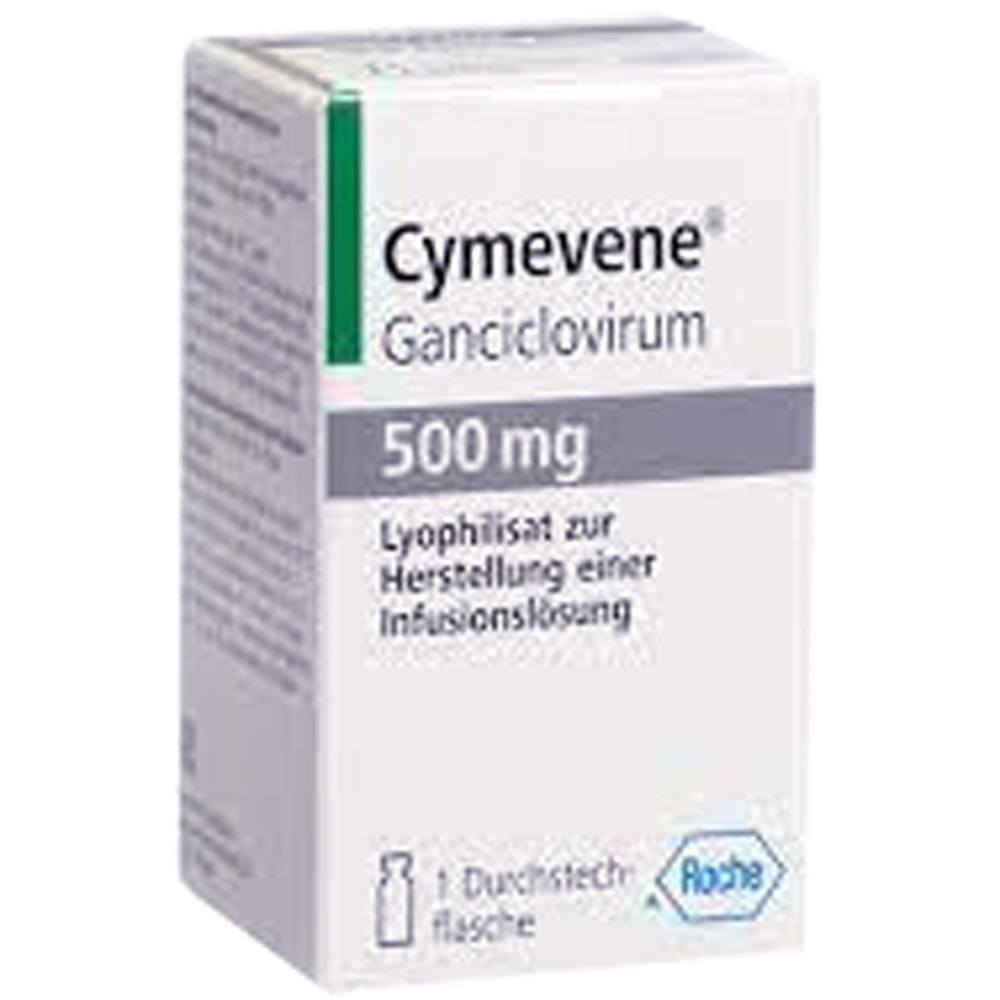
- Country of registration
- Dosage formPowder, 500 mg
- ATC codeJ05AB06
- Active substance
- Prescription requiredNo
- Marketing authorisation holder (MAH)Cheplapharm Arzneimittel GmbH
- This information is for reference only and does not constitute medical advice. Always consult a doctor before taking any medication. Oladoctor is not responsible for medical decisions based on this content.
- Alternatives to CimeveneDosage form: Powder, 500 mgActive substance: ganciclovirDosage form: Powder, 500 mgActive substance: ganciclovirPrescription not requiredDosage form: Powder, 500 mgActive substance: ganciclovirManufacturer: Laboratori Fundació Dau Reig Jofre S.A.Prescription not required
Online doctors for Cimevene
Discuss questions about Cimevene, including use, safety considerations and prescription review, subject to medical assessment and local regulations.









Get Cimevene Prescription Online
Fill in a 2-min form
Tell us your symptoms, history, and what medicine you're requesting.
Pick a doctor or let us assign
Choose a specialist or we'll match you with the next available doctor.
Doctor reviews your case
Usually within 30 minutes. They may ask follow-up questions via chat.
Collect from any pharmacy
Electronic prescription sent to your email — valid across Spain.
Frequently Asked Questions
Cimevene does not require a prescription in Poland. You can check with a doctor online whether this medicine may be appropriate for your situation.
The active ingredient in Cimevene is ganciclovir. This information helps identify medicines with the same composition but different brand names.
Cimevene is manufactured by Cheplapharm Arzneimittel GmbH. Pharmacy brands and packaging may differ depending on the distributor.
Doctors such as Family doctors, Psychiatrists, Dermatologists, Cardiologists, Endocrinologists, Gastroenterologists, Pulmonologists, Nephrologists, Rheumatologists, Hematologists, Infectious disease physicians, Allergists, Geriatricians, Paediatricians, Oncologists may assess whether Cimevene is appropriate, depending on your situation and local regulations. You can book an online consultation to discuss your symptoms and possible next steps.
Spain has a well-developed healthcare infrastructure across major cities such as Madrid, Barcelona, Valencia, and Seville. Pharmacies are widely available and operate under strict regulations, ensuring access to prescribed medications.
You can buy Cimevene in Madrid, Barcelona, Seville, or Valencia at any local pharmacy with a valid prescription.
To obtain a prescription, you can use Oladoctor:
Other medicines with the same active substance (ganciclovir) include Cimevene, Cimevene, Ganciclovir Accord. These may have different brand names or formulations but contain the same therapeutic ingredient. Always consult a doctor before switching or starting a new medicine.
