


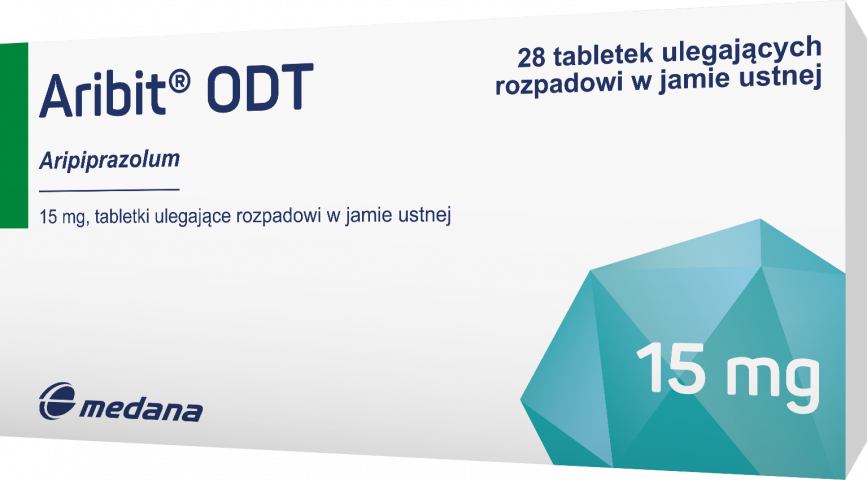
Aribit Odt
Ask a doctor about a prescription for Aribit Odt




How to use Aribit Odt
Package Leaflet: Information for the User
Aribit ODT, 10 mg, Orally Disintegrating Tablets
Aribit ODT, 15 mg, Orally Disintegrating Tablets
Aribit ODT, 30 mg, Orally Disintegrating Tablets
Aripiprazole
Read the Package Leaflet Carefully Before Taking the Medication, as it Contains Important Information for the Patient.
- This leaflet should be kept in case it needs to be read again.
- In case of any doubts, the doctor or pharmacist should be consulted.
- This medication has been prescribed for a specific person. It should not be given to others. The medication may harm another person, even if their symptoms are the same.
- If the patient experiences any side effects, including those not listed in this leaflet, they should inform their doctor or pharmacist. See section 4.
Table of Contents of the Leaflet
- 1. What is Aribit ODT and What is it Used For
- 2. Important Information Before Taking Aribit ODT
- 3. How to Take Aribit ODT
- 4. Possible Side Effects
- 5. How to Store Aribit ODT
- 6. Contents of the Package and Other Information
1. What is Aribit ODT and What is it Used For
Aribit ODT contains the active substance aripiprazole and belongs to a group of medications called antipsychotics.
It is used to treat adults and adolescents aged 15 years and older with a condition characterized by symptoms such as: seeing, hearing, and feeling things that do not exist in reality, suspiciousness, beliefs that are not based on reality, chaotic speech and behavior, and emotional numbness. Patients with these symptoms may also feel sad, anxious, or tense, and may have feelings of guilt.
Aribit ODT is used in adults and adolescents aged 13 years and older to treat a condition with symptoms such as: excessive excitement, abundant energy, reduced need for sleep, very fast speech, racing thoughts, and sometimes very severe irritability. In adults, this medication also prevents the recurrence of the above symptoms in patients who have responded to Aribit ODT treatment.
2. Important Information Before Taking Aribit ODT
When Not to Take Aribit ODT
- if the patient is allergic to aripiprazole or any of the other ingredients of this medication (listed in section 6).
Warnings and Precautions
Before starting to take Aribit ODT, the patient should discuss it with their doctor.
During treatment with aripiprazole, thoughts and behaviors of suicide have been reported. The patient should immediately inform their doctor if they experience thoughts or feelings related to self-harm.
Before starting treatment with Aribit ODT, the patient should inform their doctor if they have:
- high blood sugar levels (typical symptoms include: excessive thirst, urination, increased appetite, and feeling of weakness) or a family history of diabetes;
- seizures (epilepsy), as this may mean that the doctor will want to monitor the patient closely;
- involuntary, irregular muscle movements, especially of the face;
- cardiovascular diseases (heart and blood vessel diseases), a family history of cardiovascular disease, stroke, or "mini" stroke, abnormal blood pressure;
- blood clots in the patient or a family history of blood clots, as the use of antipsychotic medications is associated with the formation of blood clots;
- a history of gambling addiction.
If the patient notices an increase in weight, appearance of unusual movements, drowsiness that interferes with daily activities, any difficulty swallowing, or symptoms of an allergic reaction, they should inform their doctor.
If an elderly patient with dementia experiences a stroke or "mini" stroke, they or their caregiver should inform their doctor.
The patient should immediately inform their doctor if they experience thoughts or feelings related to self-harm. During treatment with aripiprazole, thoughts and behaviors of suicide have been reported.
The patient should immediately inform their doctor if they experience muscle stiffness or muscle stiffness with high fever, sweating, mental status changes, or very fast or irregular heartbeat.
If the patient or their family or caregiver notices that the patient starts to feel the urge or desire to behave in an unusual way, and cannot resist the impulse, drive, or temptation to engage in activities that may harm them or others, they should tell their doctor. These phenomena are called impulse control disorders and may manifest as behaviors such as:
- strong impulse to gamble excessively despite serious personal or family consequences;
- altered or increased interest in sex and behaviors that significantly disturb the patient or others, such as increased sexual drive;
- uncontrolled excessive shopping or spending;
- uncontrolled eating (eating large amounts of food in a short time) or compulsive eating (eating more food than usual and more than needed to satisfy hunger);
- urge to wander. If the patient experiences such behaviors, they should tell their doctor, who will discuss ways to treat or reduce these symptoms.
The doctor may consider changing the dose or discontinuing the medication.
Aripiprazole may cause drowsiness, decreased blood pressure when standing up, dizziness, and changes in mobility and balance, which can lead to falls. Caution should be exercised, especially in elderly or weakened patients.
Children and Adolescents
Aribit ODT should not be used in children and adolescents under 13 years of age. The doctor or pharmacist should be consulted before taking Aribit ODT.
Aribit ODT and Other Medications
The patient should tell their doctor or pharmacist about all medications they are currently taking or have recently taken, as well as any medications they plan to take.
Blood pressure-lowering medications: Aribit ODT may enhance the effects of blood pressure-lowering medications. If the patient is taking blood pressure-lowering medications, they should inform their doctor.
Taking Aribit ODT with certain medications may require a change in the dose of Aribit ODT or other medications the patient is taking. It is especially important to inform the doctor about taking:
- medications used to treat heart rhythm disorders (such as quinidine, amiodarone, flecainide);
- antidepressant medications or herbal medications used to treat depression and anxiety (such as fluoxetine, paroxetine, venlafaxine, St. John's Wort);
- antifungal medications (such as ketoconazole, itraconazole);
- certain medications used to treat HIV infection (such as efavirenz, nevirapine, protease inhibitors, e.g., indinavir, ritonavir);
- antiepileptic medications used to treat epilepsy (such as carbamazepine, phenytoin, phenobarbital);
- certain antibiotics used to treat tuberculosis (such as rifabutin, rifampicin).
Taking these medications may increase the risk of side effects or reduce the effectiveness of Aribit ODT. If the patient experiences any unusual symptoms while taking these medications with Aribit ODT, they should tell their doctor.
Medications that increase serotonin levels are usually used to treat depression, generalized anxiety disorder, obsessive-compulsive disorder (OCD), and social phobia, as well as migraine and pain:
- triptans, tramadol, and tryptophan used to treat depression, generalized anxiety disorder, obsessive-compulsive disorder (OCD), and social phobia, as well as migraine and pain;
- selective serotonin reuptake inhibitors (SSRIs) (such as paroxetine and fluoxetine) used to treat depression, OCD, panic, and anxiety;
- other antidepressant medications (such as venlafaxine and tryptophan) used to treat severe depression;
- tricyclic medications (such as clomipramine and amitriptyline) used to treat depression;
- St. John's Wort (Hypericum perforatum) used as a herbal preparation for mild depression;
- pain relievers (such as tramadol and pethidine) used to relieve pain;
- triptans (such as sumatriptan and zolmitriptan) used to treat migraine.
Taking these medications may increase the risk of side effects. If the patient experiences any unusual symptoms while taking these medications with Aribit ODT, they should tell their doctor.
Taking Aribit ODT with Food, Drink, and Alcohol
Aribit ODT can be taken with or without food.
During treatment with Aribit ODT, the patient should not drink alcohol.
Pregnancy, Breastfeeding, and Fertility
If the patient is pregnant or breastfeeding, thinks they may be pregnant, or plans to have a child, they should consult their doctor before taking this medication.
In newborns whose mothers took aripiprazole during the last trimester (last 3 months of pregnancy), the following symptoms may occur: trembling, muscle stiffness, and/or weakness, drowsiness, agitation, difficulty breathing, and difficulty feeding. If the patient notices such symptoms in their child, they should contact their doctor.
If the patient is taking Aribit ODT, their doctor will discuss with them whether they should breastfeed, considering the benefits of treatment and the benefits of breastfeeding. The patient should not take the medication and breastfeed. They should discuss with their doctor the best way to feed their child if they are taking this medication.
Driving and Operating Machinery
During treatment with this medication, dizziness and vision disturbances may occur (see section 4).
This should be taken into account when performing tasks that require full attention, such as driving or operating machinery.
Aribit ODT Contains Aspartame (E 951), Lactose, Benzyl Alcohol, and Sodium
Aribit ODT 10 mg contains 1.00 mg of aspartame in each orally disintegrating tablet. Aribit ODT 15 mg contains 1.50 mg of aspartame in each orally disintegrating tablet. Aribit ODT 30 mg contains 3.00 mg of aspartame in each orally disintegrating tablet.
Aspartame is a source of phenylalanine. It may be harmful to patients with phenylketonuria. This is a rare genetic disorder in which phenylalanine accumulates in the body due to its improper elimination.
The medication contains lactose. If the patient has previously been diagnosed with intolerance to some sugars, they should contact their doctor before taking the medication.
Aribit ODT 10 mg contains 0.036 mg of benzyl alcohol in each orally disintegrating tablet. Aribit ODT 15 mg contains 0.054 mg of benzyl alcohol in each orally disintegrating tablet. Aribit ODT 30 mg contains 0.180 mg of benzyl alcohol in each orally disintegrating tablet.
Benzyl alcohol may cause allergic reactions.
The medication contains less than 1 mmol (23 mg) of sodium per tablet, which means the medication is considered "sodium-free".
3. How to Take Aribit ODT
This medication should always be taken as directed by the doctor or pharmacist. In case of doubts, the doctor or pharmacist should be consulted.
The recommended dose for adults is 15 mg once a day.However, the doctor may prescribe a smaller or larger dose, up to a maximum of 30 mg once a day.
Administration in Children and Adolescents
Treatment can be started with a low dose of aripiprazole in the form of an oral solution (liquid) available on the market. The dose can be gradually increased to the recommended dose for adolescents of 10 mg once a day. However, the doctor may prescribe a smaller or larger dose, up to a maximum of 30 mg once a day.
If the patient feels that the effect of Aribit ODT is too strong or too weak, they should consult their doctor or pharmacist.
Aribit ODT Orally Disintegrating Tablets Should be Taken at the Same Time Every Day
The same time every day. It does not matter whether the tablet is taken with food or without food.
The blister should not be opened until the patient is ready to take the medication. The foil should be peeled off the blister to reveal a single tablet. The tablet should not be pushed through the foil, as this may damage it. After opening the blister with dry hands, the tablet should be removed and placed whole on the tongue. The tablet will dissolve quickly in saliva. The orally disintegrating tablet can be taken with or without liquid.
The tablet can also be dissolved in water and the resulting suspension can be drunk.
Even if the patient feels better, they should not change the dose or stop taking Aribit ODT without first discussing it with their doctor.
Overdose of Aribit ODT
In case of taking a larger dose of Aribit ODT than prescribed by the doctor (or if someone else has taken the patient's tablets), the patient should immediately contact their doctor. If it is difficult to contact the doctor, the patient should go to the nearest hospital, taking the medication package with them.
In patients who have taken too much aripiprazole, the following symptoms have occurred:
- fast heartbeat, agitation/aggression, speech problems;
- unusual body movements (especially of the face or tongue) and decreased consciousness.
Other symptoms may include:
- acute confusion, seizures (epilepsy), coma, combination of fever, rapid breathing, sweating, changes in mental status, and rapid or irregular heartbeat, loss of consciousness;
- muscle stiffness and drowsiness or lethargy, slow breathing, choking, high or low blood pressure, abnormal heart rhythm.
If the patient experiences any of these symptoms, they should immediately contact their doctor or hospital.
Missed Dose of Aribit ODT
In case of a missed dose, the patient should take the missed dose as soon as they remember. They should not take two doses in one day.
Stopping Treatment with Aribit ODT
The patient should not stop treatment if they feel better.
It is very important to take Aribit ODT as directed by the doctor and for the duration prescribed by the doctor.
In case of any further doubts about taking this medication, the patient should consult their doctor or pharmacist.
4. Possible Side Effects
Like all medications, Aribit ODT can cause side effects, although not everybody gets them.
Common side effects (may affect up to 1 in 10 people):
- diabetes,
- sleep disturbances,
- feeling anxious,
- feeling restless and unable to sit or stand still,
- uncontrolled trembling, jerky movements, or twisting movements, restless legs syndrome,
- trembling,
- headache,
- fatigue,
- drowsiness,
- feeling of emptiness in the head,
- blurred vision and double vision,
- decreased number of bowel movements or difficulty with bowel movements,
- indigestion,
- nausea,
- excessive salivation,
- vomiting,
- feeling tired.
Uncommon side effects (may affect up to 1 in 100 people):
- increased prolactin levels in the blood,
- high blood sugar levels,
- depression,
- changes in sexuality or increased interest in sex,
- uncontrolled movements of the mouth, tongue, and limbs (tardive dyskinesia),
- muscle disorders causing twisting movements (dystonia),
- double vision,
- increased sensitivity of the eyes to light,
- fast heartbeat,
- decreased blood pressure when standing up, causing dizziness, feeling of emptiness in the head, or fainting,
- hiccups.
The following side effects have been reported after the marketing of aripiprazole, but their frequency is not known (the frequency cannot be estimated from the available data):
- decreased white blood cell count,
- decreased platelet count,
- allergic reactions (e.g., swelling of the mouth, tongue, face, and throat, itching, skin rash),
- onset of diabetes or worsening of its course, ketoacidosis (presence of ketone bodies in the blood and urine) or diabetic coma,
- high blood sugar levels,
- low sodium levels in the blood,
- loss of appetite (anorexia),
- weight loss,
- weight gain,
- suicidal thoughts, attempted suicide, and completed suicide,
- feeling aggressive,
- agitation,
- nervousness,
- simultaneous occurrence of fever, muscle stiffness, rapid breathing, sweating, changes in mental status, and rapid or irregular heartbeat, loss of consciousness (malignant neuroleptic syndrome),
- seizures,
- serotonin syndrome (a reaction that can cause feelings of great happiness, drowsiness, clumsiness, restlessness, especially motor, feeling of intoxication, fever, sweating),
- speech disorders,
- fixation of the eyeballs in one position,
- sudden unexplained death,
- life-threatening irregular heartbeat,
- heart attack (myocardial infarction),
- slow heartbeat,
- blood clots in the veins, especially in the legs (symptoms include swelling, pain, and redness of the legs), which can move through the bloodstream to the lungs, causing chest pain and difficulty breathing (if the patient experiences any of these symptoms, they should immediately contact their doctor),
- high blood pressure,
- fainting,
- accidental choking on food with a risk of pneumonia,
- spasm of the muscles around the vocal cords,
- pancreatitis,
- difficulty swallowing;
- diarrhea,
- abdominal discomfort,
- stomach discomfort,
- liver failure,
- hepatitis,
- yellowing of the skin and whites of the eyes,
- abnormal liver function tests,
- skin rash,
- sensitivity to light,
- hair loss,
- excessive sweating,
- abnormal breakdown of muscle leading to kidney dysfunction,
- muscle pain,
- muscle stiffness,
- involuntary urination,
- difficulty urinating,
- withdrawal syndrome in newborns in case of exposure to the medication during pregnancy,
- prolonged and/or painful erection,
- difficulty regulating body temperature or overheating,
- chest pain,
- swelling of the hands, ankles, or feet,
- in blood tests: fluctuations in blood sugar levels, increased glycated hemoglobin levels,
- inability to resist impulse, drive, or temptation to engage in activities that may harm the patient or others, including behaviors such as:
- strong impulse to gamble excessively despite serious personal or family consequences;
- altered or increased interest in sex and behaviors that significantly disturb the patient or others, such as increased sexual drive;
- uncontrolled excessive shopping or spending;
- uncontrolled eating (eating large amounts of food in a short time) or compulsive eating (eating more food than usual and more than needed to satisfy hunger);
- urge to wander. If the patient experiences such behaviors, they should tell their doctor, who will discuss ways to treat or reduce these symptoms.
In elderly patients with dementia taking aripiprazole, more cases of death have been reported. Additionally, cases of stroke or "mini" stroke have been noted.
Additional Side Effects in Children and Adolescents
In adolescents aged 13 years and older, side effects occurred with a similar frequency and type as in adults, with the exception of drowsiness, uncontrolled trembling or movements, restlessness, and fatigue, which occurred very frequently (more than 1 in 10 patients), as well as stomach pain, dry mouth, increased heart rate, weight gain, increased appetite, muscle tremors, uncontrolled limb movements, and dizziness, especially when standing up from a lying or sitting position, which occurred frequently (more than 1 in 100 patients).
Reporting Side Effects
If the patient experiences any side effects, including those not listed in this leaflet, they should tell their doctor or pharmacist. Side effects can be reported directly to the Department of Adverse Reaction Monitoring of Medicinal Products, Medical Devices, and Biocidal Products
Al. Jerozolimskie 181C
02-222 Warsaw
Phone: +48 22 49 21 301
Fax: +48 22 49 21 309
Website: https://smz.ezdrowie.gov.pl
Side effects can also be reported to the marketing authorization holder.
By reporting side effects, more information can be collected on the safety of the medication.
5. How to Store Aribit ODT
The medication should be stored out of sight and reach of children.
The medication should not be taken after the expiration date stated on the package and blister after: EXP.
The expiration date stated on the packaging indicates the last day of the specified month.
The inscription on the packaging after the abbreviation EXP indicates the expiration date, and after the abbreviation Lot/LOT indicates the batch number.
There are no special precautions for storing the medication.
Medications should not be disposed of in wastewater or household waste. The patient should ask their pharmacist how to dispose of medications they no longer use. This will help protect the environment.
6. Contents of the Package and Other Information
What Aribit ODT Contains
- The active substance of the medication is aripiprazole. Aribit ODT, 10 mg: each orally disintegrating tablet contains 10 mg of aripiprazole. Aribit ODT, 15 mg: each orally disintegrating tablet contains 15 mg of aripiprazole. Aribit ODT, 30 mg: each orally disintegrating tablet contains 30 mg of aripiprazole.
- Other ingredients are: Aribit ODT, 10 mg and 30 mg: lactose monohydrate, microcrystalline cellulose, sodium croscarmellose, anhydrous colloidal silica, aspartame (E 951), magnesium stearate, iron oxide red (E 172), vanilla flavor (containing maltodextrin, arabic gum, propylene glycol, benzyl alcohol, vanilla flavors). Aribit ODT, 15 mg: lactose monohydrate, microcrystalline cellulose, sodium croscarmellose, anhydrous colloidal silica, aspartame (E 951), magnesium stearate, iron oxide yellow (E 172), vanilla flavor (containing maltodextrin, arabic gum, propylene glycol, benzyl alcohol, vanilla flavors).
What Aribit ODT Looks Like and Contents of the Package
Aribit ODT, 10 mg: Round, flat tablets of pink color, with the number "10" embossed on one side and smooth on the other, with a diameter of 8.0 mm ± 0.1 mm.
Aribit ODT, 15 mg: Round, flat tablets of yellow color, with the number "15" embossed on one side and smooth on the other, with a diameter of 9.0 mm ± 0.1 mm.
Aribit ODT, 30 mg: Round, flat tablets of pink color, with the number "30" embossed on one side and smooth on the other, with a diameter of 10.0 mm ± 0.1 mm.
Aribit ODT orally disintegrating tablets are packaged in:
Peelable paper/PET/Aluminum//PVC/Aluminum/OPA blisters in cardboard boxes containing 14, 28, 49 orally disintegrating tablets.
Peelable paper/PET/Aluminum//PVC/Aluminum/OPA blisters divided into single doses in cardboard boxes containing 14x1, 28x1, 49x1 orally disintegrating tablets.
Not all pack sizes may be marketed.
Marketing Authorization Holder
Pharmaceutical Works POLPHARMA S.A.
ul. Pelplińska 19, 83-200 Starogard Gdański
phone: +48 22 364 61 01
Manufacturer
Rontis Hellas Medical and Pharmaceutical Products S.A.
P.O. Box 3012 Larissa Industrial Area
41500 Larissa
Greece
Genepharm S.A.
18 km Marathonos Ave, Pallini Attiki
15351 Greece
Date of Last Revision of the Leaflet:May 2024
- Country of registration
- Active substance
- Prescription requiredYes
- ImporterGenepharm S.A. Rontis Hellas Medical and Pharmaceutical Products S.A.
- This information is for reference only and does not constitute medical advice. Always consult a licensed doctor before taking any medication. Oladoctor is not responsible for medical decisions based on this content.
- Alternatives to Aribit OdtDosage form: Capsules, 10 mgActive substance: aripiprazolePrescription requiredDosage form: Capsules, 15 mgActive substance: aripiprazolePrescription requiredDosage form: Capsules, 5 mgActive substance: aripiprazolePrescription required
Alternatives to Aribit Odt in other countries
The best alternatives with the same active ingredient and therapeutic effect.
Alternative to Aribit Odt in Spain
Alternative to Aribit Odt in Ukraine
Online doctors for Aribit Odt
Discuss dosage, side effects, interactions, contraindications, and prescription renewal for Aribit Odt – subject to medical assessment and local rules.




Get updates and exclusive offers
Be the first to know about new services, marketplace updates, and subscriber-only promos.

