



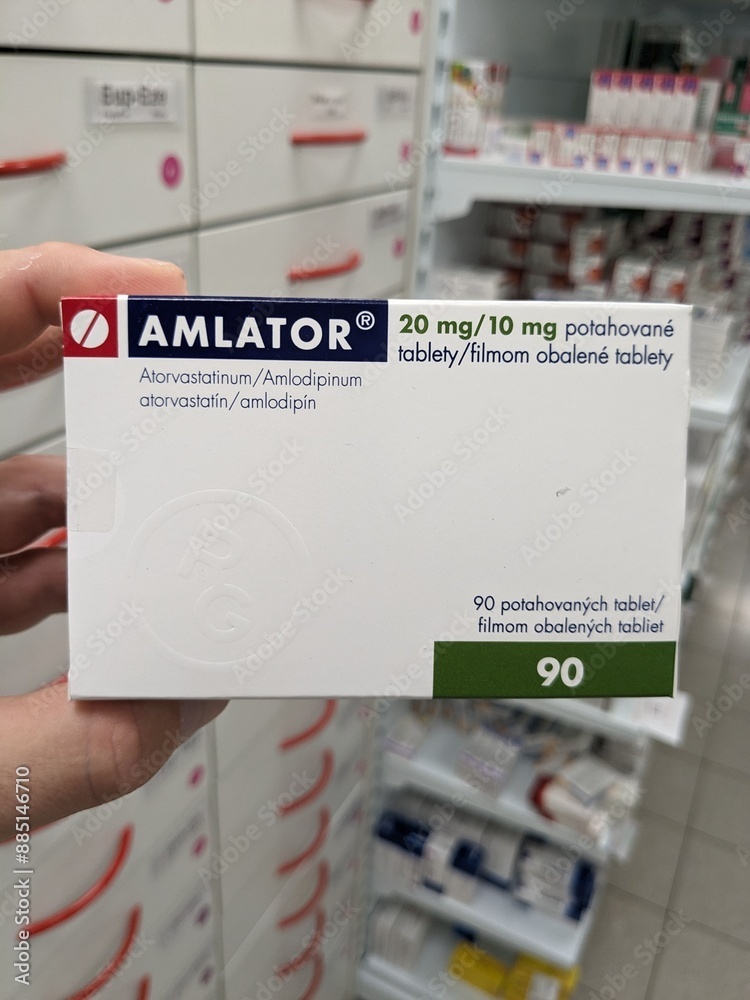
AMLATOR 20 mg/5 mg Tablets

Prescription review online
A doctor will review your case and decide whether a prescription is medically appropriate.

Talk to a doctor about this medicine
Discuss your symptoms and possible next steps in a quick online consultation.



How to use Amlator
Contents of the leaflet
- Package Leaflet: Information for the Patient
- Amlator, 10 mg + 5 mg, Film-Coated Tablets
- Amlator, 10 mg + 10 mg, Film-Coated Tablets
- Amlator, 20 mg + 5 mg, Film-Coated Tablets
- Amlator, 20 mg + 10 mg, Film-Coated Tablets
- What is Amlator and what is it used for
- Important information before taking Amlator
- How to take Amlator
- Possible side effects
- How to store Amlator
- Contents of the pack and other information
Package Leaflet: Information for the Patient
Amlator, 10 mg + 5 mg, Film-Coated Tablets

Not sure if this medicine is right for you?
Discuss your symptoms and treatment with a doctor online.
Amlator, 10 mg + 10 mg, Film-Coated Tablets
Amlator, 20 mg + 5 mg, Film-Coated Tablets

Started taking the medicine and have questions?
Discuss your symptoms and treatment with a doctor online.
Amlator, 20 mg + 10 mg, Film-Coated Tablets
Atorvastatin + Amlodipine
Read the package leaflet carefully before taking the medicine, as it contains important information for the patient.
- Keep this leaflet, so you can read it again if you need to.
- If you have any doubts, consult your doctor or pharmacist.
- This medicine has been prescribed specifically for you. Do not pass it on to others. This medicine may harm another person, even if their symptoms are the same as yours.
- If you experience any side effects, including those not listed in this leaflet, tell your doctor or pharmacist. See section 4.
Table of Contents of the Leaflet
- 1. What is Amlator and what is it used for
- 2. Important information before taking Amlator
- 3. How to take Amlator
- 4. Possible side effects
- 5. How to store Amlator
- 6. Contents of the pack and other information
1. What is Amlator and what is it used for
Amlator is a combination product that contains two active substances: atorvastatin and amlodipine.
Atorvastatin belongs to a group of medicines called statins, which are lipid-regulating medicines.
Amlodipine belongs to a group of medicines called calcium antagonists, which have a vasodilating effect on blood vessels.
Amlator is indicated as a substitute for patients whose condition is adequately controlled with amlodipine and atorvastatin administered concomitantly at the same dose as in the combination product. Amlator is used to treat hypertension in adult patients (with chronic stable angina pectoris (or without it) and (or) Prinzmetal's angina), who have one of the following conditions:
- high cholesterol levels (primary hypercholesterolemia) or high cholesterol and triglyceride levels (combined or mixed hyperlipidemia),
- hereditary high cholesterol levels (homozygous familial hypercholesterolemia),
- prevention of cardiovascular events in adult patients at high risk of experiencing their first cardiovascular event, in addition to measures aimed at reducing other risk factors.
Amlator is not intended for initial treatment. During treatment with Amlator, the use of its individual components (medicines containing amlodipine and atorvastatin) should be discontinued.
During treatment, a standard low-cholesterol diet should be followed.
The doctor may decide to use Amlator if they determine that both active substances are suitable for the patient, or if the patient has already taken medicines containing these active substances.
2. Important information before taking Amlator
When not to take Amlator
- if you are allergic to amlodipine, atorvastatin, or if you are allergic to the group of medicines called calcium channel blockers or to any other medicines similar to atorvastatin used to lower lipid levels in the blood, or to any of the other ingredients of this medicine (listed in section 6),
- if you have severe low blood pressure (hypotension),
- if you have aortic stenosis (narrowing of the aortic valve) or cardiogenic shock (a condition in which the heart does not supply enough blood to the body),
- if you have heart failure after a heart attack,
- if you have liver disease,
- if you have abnormal liver function test results of unknown cause,
- in women of childbearing potential who are not using effective contraception methods,
- in pregnant or breastfeeding women,
- if you are taking fusidic acid orally or by injection in the last 7 days.
Warnings and precautions
Before starting treatment with Amlator, discuss it with your doctor or pharmacist
- if you have heart failure,
- if you have recently had a heart attack,
- if you have acute increase in blood pressure (hypertensive crisis),
- if you have had a stroke with bleeding into the brain or if you have small fluid-filled spaces in the brain, which are a consequence of a previous stroke,
- in case of kidney problems,
- in case of hypothyroidism,
- in case of recurring or unexplained muscle pain or muscle problems in the past or similar problems in relatives,
- if you have myasthenia (a disease that causes general muscle weakness, including in some cases muscles involved in breathing) or myasthenic syndrome (a disease that causes muscle weakness in the eyes), as statins can sometimes exacerbate symptoms of the disease or lead to myasthenia (see section 4),
- in case of muscle problems during treatment with other lipid-lowering medicines (e.g., other statins or fibrates),
- in case of regular excessive alcohol consumption,
- in case of liver disease in the past,
- in patients over 70 years of age,
- if you are taking or have taken in the last 7 days orally or by injection a medicine containing fusidic acid.
Even 24-48 hours after taking the medicine, shortness of breath due to excess fluid accumulation in the lungs (pulmonary edema) may occur.
You should consult your doctor or pharmacist before taking Amlator
- if you have severe respiratory failure.
In patients who are affected by any of the above situations, the doctor will order a blood test before starting treatment with Amlator and probably during treatment to monitor the risk of muscle-related side effects. The risk of muscle-related side effects, such as rhabdomyolysis, increases when taking certain medicines (see section 2 "Amlator and other medicines").
Your doctor or pharmacist should also be informed if muscle weakness persists. To diagnose and treat this condition, additional tests and medications may be necessary.
Patients with diabetes or those at risk of developing diabetes will be under close medical supervision during treatment with this medicine. Patients with high blood sugar and lipid levels, overweight, and high blood pressure may be at risk of developing diabetes.
Children and adolescents
Amlator is not recommended for children and adolescents due to lack of data on safety and efficacy.
Amlator and other medicines
Tell your doctor or pharmacist about all medicines you are taking or have recently taken, as well as any medicines you plan to take.
Some medicines may change the effect of Amlator, and Amlator may affect the effect of other medicines. Such interactions can lead to reduced efficacy of one or both medicines.
This may increase the risk of side effects, including serious muscle disease called rhabdomyolysis, described in section 4.
- Certain antibiotics or antifungal medicines, such as erythromycin, clarithromycin, telithromycin, ketoconazole, itraconazole, voriconazole, fluconazole, posaconazole, rifampicin.
- Other lipid-regulating medicines, such as gemfibrozil, other fibrates, cholestyramine, simvastatin.
- Certain calcium channel blockers used in angina pectoris or hypertension, such as diltiazem; heart rhythm regulators, such as digoxin, verapamil, amiodarone.
- Immunosuppressive medicines, such as cyclosporine.
- Letermowir, a medicine used to prevent cytomegalovirus disease,
- Medicines used to treat HIV infection, such as ritonavir, lopinavir, atazanavir, indinavir, darunavir, nelfinavir, combination therapy tipranavir/ritonavir, etc.
- Certain medicines used to treat hepatitis C, such as telaprevir, boceprevir, and a combination product containing elbasvir and grazoprevir, ledipasvir and sofosbuvir.
- Other medicines known to interact with Amlator, including ezetimibe (which lowers cholesterol), warfarin (which reduces blood clotting), oral contraceptives, stiripentol (an antiepileptic medicine used to treat epilepsy), cimetidine (used to treat heartburn and stomach ulcers), phenazon (a pain reliever), colchicine (used to treat gout), and antacids (medicines used to treat heartburn, containing aluminum or magnesium).
- Dantrolene (an injection used to treat severe body temperature disorders).
- Tacrolimus, sirolimus, temsirolimus, and everolimus (medicines used to modify the immune system).
- Over-the-counter medicines: St. John's Wort (Hypericum perforatum) preparations.
- If you need to take fusidic acid orally to treat bacterial infections, you should periodically stop taking Amlator. Your doctor will tell you when you can safely resume taking Amlator. Taking Amlator with fusidic acid can rarely lead to muscle weakness, tenderness, or pain (rhabdomyolysis). More information on rhabdomyolysis can be found in section 4.
Amlator and food, drink, and alcohol
To obtain information on taking Amlator, see section 3. Pay attention to the following products:
Grapefruit juice
Patients taking Amlator should not consume grapefruit juice or grapefruits, as they may increase the level of the active ingredient amlodipine in the blood, which can lead to unintended increased effect of Amlator in lowering blood pressure.
Alcohol
While taking Amlator, you should avoid consuming excessive amounts of alcohol.
See section 2, "Warnings and precautions" for more information.
Pregnancy and breastfeeding
Amlator should not be taken if you are pregnant or plan to become pregnant.
It has been shown that small amounts of amlodipine pass into breast milk. Amlator should not be taken if you are breastfeeding.
Amlator should not be taken during breastfeeding.
The safety of Amlator in pregnancy and breastfeeding has not been established. If you are pregnant, think you may be pregnant, or plan to become pregnant, you should consult your doctor or pharmacist before taking this medicine.
Driving and using machines
Taking this medicine usually does not affect the ability to drive or use machines. If the tablets cause nausea, dizziness, fatigue, or headache and blurred vision, you should not drive or operate machines in this case.
Amlator contains sodium carboxymethyl starch
The medicine contains less than 1 mmol (23 mg) of sodium per film-coated tablet, which means the medicine is considered "sodium-free".
3. How to take Amlator
This medicine should always be taken as directed by your doctor. If you are unsure, consult your doctor or pharmacist.
Before starting treatment, your doctor will recommend a low-cholesterol diet; this diet should be continued during treatment with Amlator.
Adults
The dose of Amlator is determined by your doctor. They will decide whether you should take 1 film-coated tablet of Amlator 10 mg + 5 mg, Amlator 10 mg + 10 mg, Amlator 20 mg + 5 mg, or Amlator 20 mg + 10 mg once a day.
The maximum daily dose is one film-coated tablet of Amlator 20 mg + 10 mg.
Tablets should be swallowed whole with water; they can be taken at any time of day, with or without food. However, you should try to take the tablet at the same time every day.
Follow your doctor's recommendations regarding diet, especially a low-fat diet, regular physical exercise, and not smoking.
The duration of treatment with Amlator is determined by your doctor.
If you feel that the effect of Amlator is too strong or too weak, consult your doctor.
Elderly patients
In elderly patients, there is no need to modify the dose.
Use in children and adolescents
Amlator is not recommended for children and adolescents.
Renal impairment
No dose adjustment is necessary in this patient group.
Hepatic impairment
Amlator should be used with caution in this patient group; liver function tests should be performed frequently.
Overdose
Taking too many tablets can cause a drop in blood pressure, even to a dangerously low level. Dizziness, lightheadedness, fainting, or weakness may occur. If the drop in blood pressure is severe, shock may occur. The patient's skin may be cool and moist, and loss of consciousness may occur. If you have taken more than the recommended dose of Amlator, contact the nearest hospital or doctor for advice. Take the remaining tablets, packaging, and labels with you so that hospital staff know what medicine was taken.
Even 24-48 hours after taking the medicine, shortness of breath due to excess fluid accumulation in the lungs (pulmonary edema) may occur.
Missed dose
If you miss a dose of Amlator, take the next dose at the scheduled time.
Do not take a double dose to make up for the missed dose.
Stopping treatment
Do not stop taking the medicine unless your doctor decides to stop treatment.
If you have any further doubts about taking this medicine, consult your doctor or pharmacist.
4. Possible side effects
Like all medicines, Amlator can cause side effects, although not everybody gets them.
If you experience any of the following serious side effects or symptoms, stop taking the tablets and contact your doctor or go to the nearest hospital emergency department immediately:
Uncommon(may affect up to 1 in 100 people):
- heart rhythm disorders, irregular heartbeat.
Rare(may affect up to 1 in 1,000 people):
- severe allergic reaction causing swelling of the face, tongue, and (or) throat, which can lead to severe breathing difficulties.
- severe skin reactions, including severe rash, hives, redness of the skin all over the body, severe itching, blisters, peeling, and swelling of the skin, inflammation of the mucous membranes (Stevens-Johnson syndrome, toxic epidermal necrolysis) or other allergic reactions.
- muscle weakness, tenderness, pain, or rupture, or brownish discoloration of the urine, especially if accompanied by malaise or high fever, which can be caused by muscle breakdown. Muscle breakdown does not always resolve, even after stopping atorvastatin, and can be life-threatening and lead to kidney problems.
Very rare(may affect up to 1 in 10,000 people):
- heart attack,
- lupus-like syndrome (including rash, joint disorders, and effects on blood cells),
- if you experience unexpected bleeding or bruising, it may indicate liver problems. You should contact your doctor as soon as possible.
Other possible side effects of Amlator:
Very common(may affect more than 1 in 10 people):
- edema (swelling).
Common(may affect up to 1 in 10 people):
- drowsiness, headache, dizziness (especially at the beginning of treatment), fatigue, weakness,
- vision disturbances (including double vision),
- inflammation of the nasal mucosa, sore throat, nosebleeds,
- redness,
- palpitations (awareness of heartbeat),
- shortness of breath,
- abdominal pain, nausea, constipation, bloating, indigestion, diarrhea,
- muscle pain, muscle cramps, swelling of the ankles, joint pain, and back pain, limb pain,
- allergic reactions,
- increased blood sugar levels (if you have diabetes, you should carefully monitor your blood sugar levels),
- increased creatine kinase activity in the blood,
- abnormal liver function test results.
Uncommon(may affect up to 1 in 100 people):
- inflammation of the nasal mucosa (cold/ sneezing),
- cough,
- loss of appetite, weight gain, weight loss, decreased blood sugar levels (if you have diabetes, you should continue to carefully monitor your blood sugar levels),
- mood changes, anxiety, depression, tremors,
- numbness or tingling in the fingers of the hands and feet, decreased sensation of pain or touch, changes in taste, memory loss,
- blurred vision,
- ringing in the ears and (or) head,
- chest pain,
- heart rhythm disorders, irregular heartbeat,
- fainting, low blood pressure (hypotension),
- dry mouth, vomiting, heartburn, abdominal pain in the upper and lower abdomen, pancreatitis (inflammation of the pancreas, which can cause abdominal pain),
- liver inflammation,
- hair loss, red spots on the skin, skin discoloration, rash, itchy rash, hives, urticaria, increased sweating,
- neck pain, muscle fatigue,
- urination disorders, increased need to urinate at night, frequent urination,
- erectile dysfunction (impotence), gynecomastia (discomfort or enlargement of the breasts in men),
- increased body temperature, malaise, swelling, especially of the ankles (edema),
- nightmares, insomnia,
- presence of white blood cells in the urine.
Rare(may affect up to 1 in 1,000 people):
- decreased platelet count, which can cause unexpected bleeding or bruising,
- bile duct obstruction (jaundice and yellowing of the eyes),
- disorientation,
- peripheral neuropathy (a disease of the nervous system that can cause weakness, numbness, or tingling),
- tendon damage,
- angioedema.
Very rare(may affect up to 1 in 10,000 people):
- decreased white blood cell count,
- stiffness or tension in the muscles, disorders involving stiffness and (or) movement problems,
- heart attack, inflammation of small blood vessels,
- gingival hyperplasia,
- allergic reactions - symptoms may include sudden onset of wheezing and chest pain or tightness, swelling of the eyelids, face, lips, mouth, tongue, or throat, difficulty breathing, collapse,
- sensitivity to light,
- hearing loss,
- abdominal bloating (gastritis),
- liver failure.
Unknown(frequency cannot be estimated from available data):
- persistent muscle weakness,
- myasthenia (a disease that causes general muscle weakness, including in some cases muscles involved in breathing),
- myasthenic syndrome (a disease that causes muscle weakness in the eyes),
Tell your doctor if you experience muscle weakness in your arms or legs, worsening after periods of activity, double vision, or drooping eyelids, difficulty swallowing, or shortness of breath.
- tremors, stiffness, mask-like face, slow movements, and shuffling gait, unsteady gait.
Side effects reported in connection with the use of some statins (medicines of the same type):
- sexual disorders,
- depression,
- breathing problems, including persistent cough and (or) shortness of breath or fever,
- diabetes. The risk of developing diabetes is higher in people with high blood sugar and lipid levels, overweight, and high blood pressure. Your doctor will monitor your condition during treatment with this medicine.
Reporting side effects
If you experience any side effects, including those not listed in this leaflet, tell your doctor or pharmacist, or nurse.
Side effects can be reported directly to the Department of Drug Safety Monitoring of the Office for Registration of Medicinal Products, Medical Devices, and Biocidal Products
Al. Jerozolimskie 181C
02-222 Warsaw
Phone: +48 22 49 21 301
Fax: +48 22 49 21 309
Website: https://smz.ezdrowie.gov.pl
Side effects can also be reported to the marketing authorization holder.
Reporting side effects will help gather more information on the safety of this medicine.
5. How to store Amlator
6. Contents of the pack and other information
What Amlator contains
The active substances of Amlator are atorvastatin and amlodipine.
| Medicines should be kept out of the sight and reach of children. | |
| Do not take this medicine after the expiry date stated on the packaging. The expiry date refers to the last day of the month stated. | |
| Store in a temperature below 25°C. | |
| Store in the original packaging to protect from light and moisture. | |
| Medicines should not be disposed of via wastewater or household waste. Ask your pharmacist how to dispose of medicines no longer required. This will help protect the environment. | |
| These measures will help protect the environment. | |
Amlator, 10 mg + 5 mg, film-coated tablets contain 10 mg of atorvastatin (as atorvastatin with L-lysine) and 5 mg of amlodipine (as amlodipine besylate) per film-coated tablet.
Amlator, 10 mg + 10 mg, film-coated tablets contain 10 mg of atorvastatin (as atorvastatin with L-lysine) and 10 mg of amlodipine (as amlodipine besylate) per film-coated tablet.
Amlator, 20 mg + 5 mg, film-coated tablets contain 20 mg of atorvastatin (as atorvastatin with L-lysine) and 5 mg of amlodipine (as amlodipine besylate) per film-coated tablet.
Amlator, 20 mg + 10 mg, film-coated tablets contain 20 mg of atorvastatin (as atorvastatin with L-lysine) and 10 mg of amlodipine (as amlodipine besylate) per film-coated tablet.
What else Amlator contains
Core:
calcium carbonate,
microcrystalline cellulose (type 102),
maize starch paste,
sodium carboxymethyl cellulose (type A),
calcium oxide,
hydroxypropyl cellulose,
Polysorbate 80,
silica colloidal anhydrous,
magnesium stearate.
Coating (Opadry II 85F 18422 White):
partially hydrolyzed polyvinyl alcohol,
titanium dioxide (E171),
macrogol 4000,
talc.
What Amlator looks like and contents of the pack
Amlator, 10 mg + 5 mg, film-coated tablets are white, round, biconvex film-coated tablets, approximately 9.0 mm in diameter. One side has the inscription "CE3", and the other side is smooth.
Amlator, 10 mg + 10 mg, film-coated tablets are white, round, biconvex film-coated tablets, approximately 9.0 mm in diameter. One side has the inscription "CE5", and the other side is smooth.
Amlator, 20 mg + 5 mg, film-coated tablets are white, oval, biconvex film-coated tablets, approximately 15.5 x 8.0 mm in size. One side has the inscription "CE4", and the other side is smooth.
Amlator, 20 mg + 10 mg, film-coated tablets are white, oval, biconvex film-coated tablets, approximately 15.5 x 8.0 mm in size. One side has the inscription "CE6", and the other side is smooth.
30 and 90 film-coated tablets are packaged in white non-transparent blisters made of PA/Aluminum/PVC//Aluminum and in a box.
Not all pack sizes may be marketed.
Marketing authorization holder:
Gedeon Richter Plc.
1103 Budapest
Gyömrői út 19-21
Hungary
Manufacturer:
Gedeon Richter Romania S.A.
Str. Cuza Vodă Nr. 99-105
540306 Târgu-Mureş
Romania
To obtain more detailed information about the medicine and its names in other European Economic Area member states, contact:
GEDEON RICHTER POLSKA Sp. z o.o.
Medical Department
ul. Ks. J. Poniatowskiego 5
05-825 Grodzisk Mazowiecki
Phone: +48 (22)755 96 48
[email protected]
Date of last revision of the leaflet: May 2023
(( marketing authorization holder's logo))
- Country of registration
- Dosage formTablets, 20 mg + 5 mg
- ATC codeC10BX03
- Active substance
- Prescription requiredYes
- Manufacturer
- ImporterGedeon Richter Romania S.A.
- This information is for reference only and does not constitute medical advice. Always consult a doctor before taking any medication. Oladoctor is not responsible for medical decisions based on this content.
- Alternatives to AmlatorDosage form: Tablets, 10 mg + 5 mgActive substance: atorvastatin and amlodipineManufacturer: Gedeon Richter Romania S.A.Prescription requiredDosage form: Tablets, 10 mg + 10 mgActive substance: atorvastatin and amlodipineManufacturer: Gedeon Richter Romania S.A.Prescription requiredDosage form: Tablets, 20 mg + 10 mgActive substance: atorvastatin and amlodipineManufacturer: Gedeon Richter Romania S.A.Prescription required
Online doctors for Amlator
Discuss questions about Amlator, including use, safety considerations and prescription review, subject to medical assessment and local regulations.
Get Amlator Prescription Online
Fill in a 2-min form
Tell us your symptoms, history, and what medicine you're requesting.
Pick a doctor or let us assign
Choose a specialist or we'll match you with the next available doctor.
Doctor reviews your case
Usually within 30 minutes. They may ask follow-up questions via chat.
Collect from any pharmacy
Electronic prescription sent to your email — valid across Spain.
Frequently Asked Questions
Amlator requires a prescription in Poland. You can check with a doctor online whether this medicine may be appropriate for your situation.
The active ingredient in Amlator is atorvastatin and amlodipine. This information helps identify medicines with the same composition but different brand names.
Amlator is manufactured by Gedeon Richter Romania S.A.. Pharmacy brands and packaging may differ depending on the distributor.
Doctors such as Family doctors, Psychiatrists, Dermatologists, Cardiologists, Endocrinologists, Gastroenterologists, Pulmonologists, Nephrologists, Rheumatologists, Hematologists, Infectious disease physicians, Allergists, Geriatricians, Paediatricians, Oncologists may assess whether Amlator is appropriate, depending on your situation and local regulations. You can book an online consultation to discuss your symptoms and possible next steps.
Spain has a well-developed healthcare infrastructure across major cities such as Madrid, Barcelona, Valencia, and Seville. Pharmacies are widely available and operate under strict regulations, ensuring access to prescribed medications.
You can buy Amlator in Madrid, Barcelona, Seville, or Valencia at any local pharmacy with a valid prescription.
To obtain a prescription, you can use Oladoctor:
Other medicines with the same active substance (atorvastatin and amlodipine) include Amlator, Amlator, Amlator. These may have different brand names or formulations but contain the same therapeutic ingredient. Always consult a doctor before switching or starting a new medicine.
