Actinic keratoses (solar keratoses)
Actinic keratoses are rough, scaly patches of skin caused by long-term sun exposure. They are considered pre-cancerous and may develop into skin cancer if untreated.



-
On this page
-
Medicines commonly prescribed for Actinic keratoses (solar keratoses)
For informational purposes only. Always consult a doctor before using any medicine.
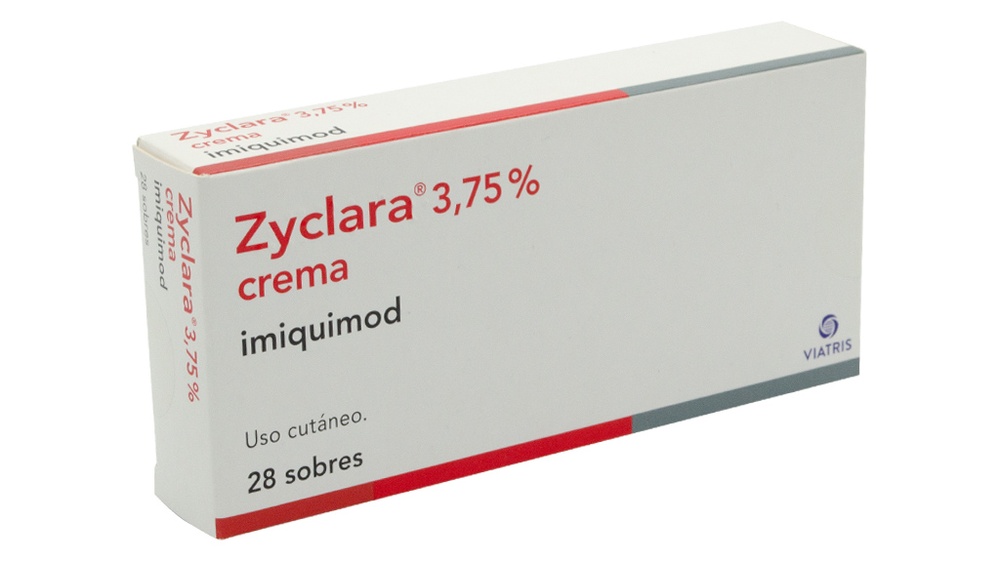
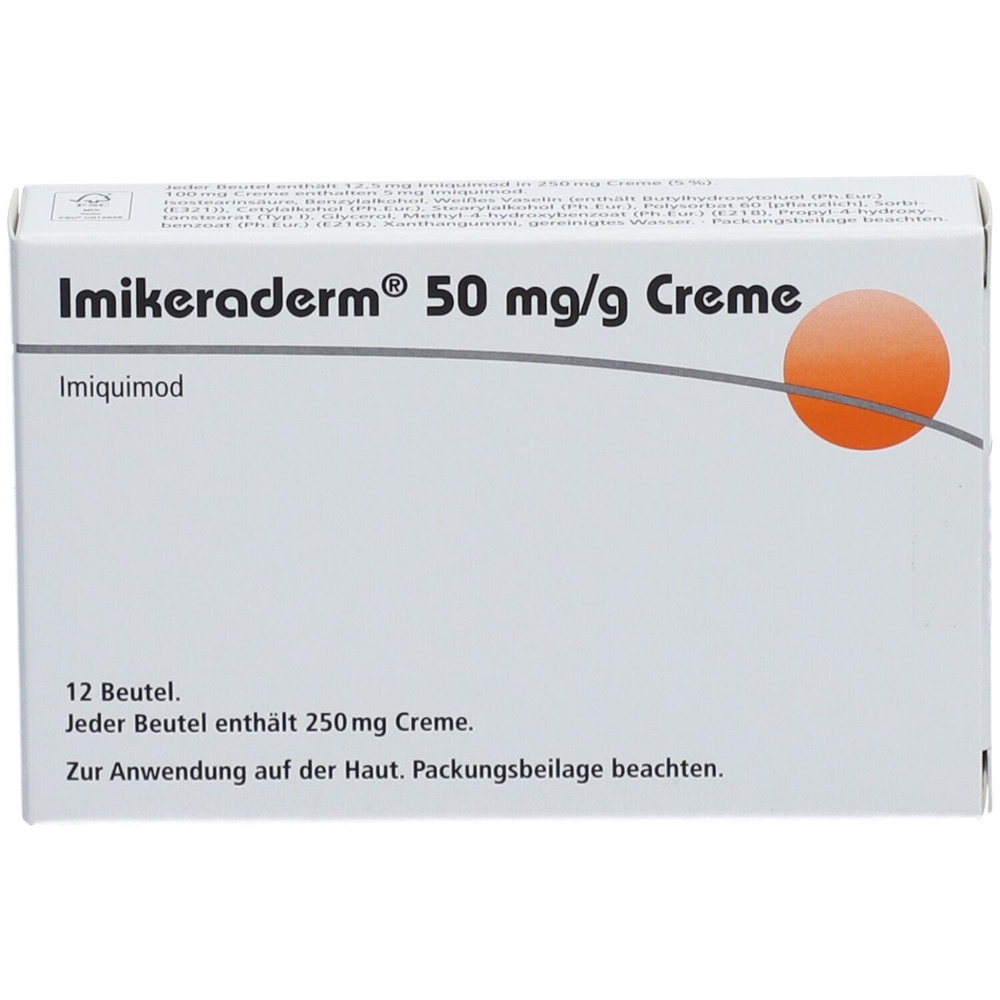
Dosage form: CREAM, 50 mg/gActive substance: imiquimodManufacturer: Viatris Healthcare LimitedPrescription requiredDosage form: CREAM, 3.75%Active substance: imiquimodManufacturer: Viatris Healthcare LimitedPrescription requiredDosage form: CREAM, 5 %Active substance: imiquimodManufacturer: Mibe Pharma Espana S.L.Prescription required

Actinic keratoses (also called solar keratoses) are dry, scaly patches of skin that have been damaged by the sun. It's not usually serious, but there's a small chance the patches could become skin cancer. Protecting your skin in the sun and watching out for changes can help.
Symptoms of actinic keratoses
Actinic keratoses patches:
- can feel dry, rough and scaly, or like sandpaper
- are usually between 1cm and 2cm in size
- can be the same colour as your skin, or range from pink to red to brown
- may be itchy
The patches usually appear on areas of your body that are often exposed to the sun, such as your face, hands and arms, ears, scalp and legs.
See a GP if:
- you notice new patches on your skin
- the patches begin to bleed, get bigger, change colour, feel tender or develop into a lump
- a patch appears on your lips
It's important to get these skin changes checked in case they're being caused by something more serious, such as skin cancer.
Treatment for actinic keratoses
If you only have 1 actinic keratoses patch, a GP might suggest waiting to see if it goes away by itself.
If you have more than 1 patch, or a patch is causing you problems such as pain and itchiness, treatment is usually recommended.
A GP may refer you to a skin specialist (dermatologist).
Treatments for actinic keratoses include:
- prescription creams and gels
- freezing the patches (cryotherapy) – this makes the patches turn into blisters and fall off after a few weeks
- surgery to cut out or scrape away the patches – you'll be given a local anaesthetic first, so it does not hurt
- photodynamic therapy (PDT), where special cream is applied to the patches and a light is shone on them
Things you can do if you have actinic keratoses
There are things you can do to stop your actinic keratoses patches getting worse and lower your chances of developing skin cancer.
Do
- check your skin regularly for any changes
- use sunscreen with a sun protection factor (SPF) of at least 30 before going out in the sun and reapply regularly
- wear a hat and clothing that fully covers your arms and legs when you're out in the sun
Don’t
- do not sunbathe
- do not use sunlamps or sunbeds as these can also damage your skin
- do not go into the sun between 11am and 3pm – this is when the sun is at its strongest
Consider taking 10 micrograms of vitamin D a day if you always cover up outdoors. This is because you may not get enough vitamin D from sunlight.

Online doctors for Actinic keratoses (solar keratoses)
Discuss your symptoms and possible next steps for Actinic keratoses (solar keratoses) with a doctor online.

 Book a video appointment